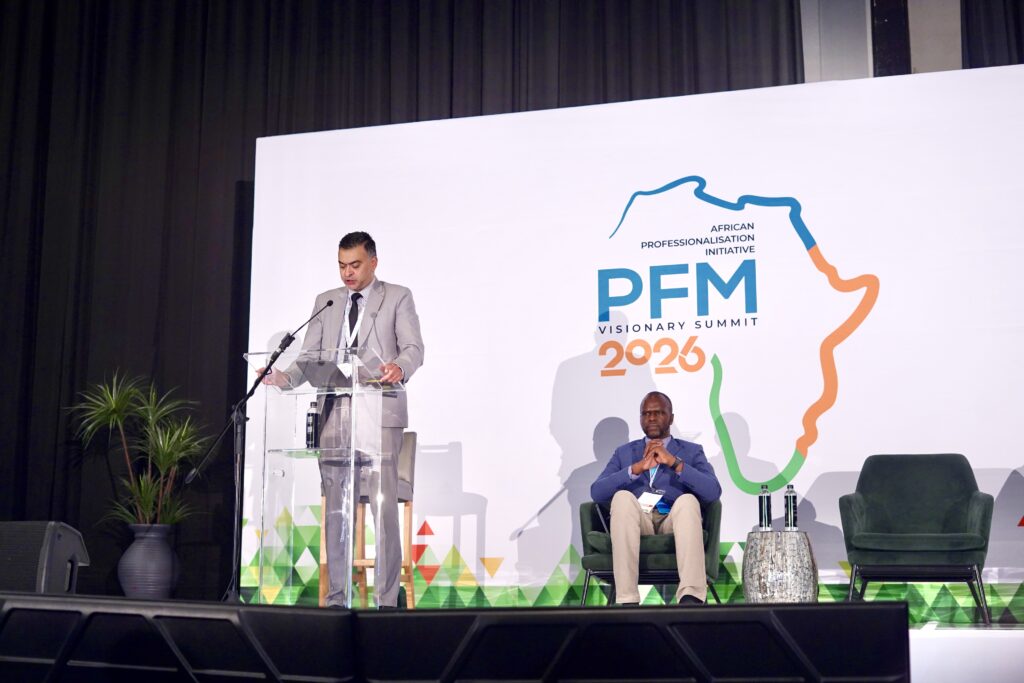
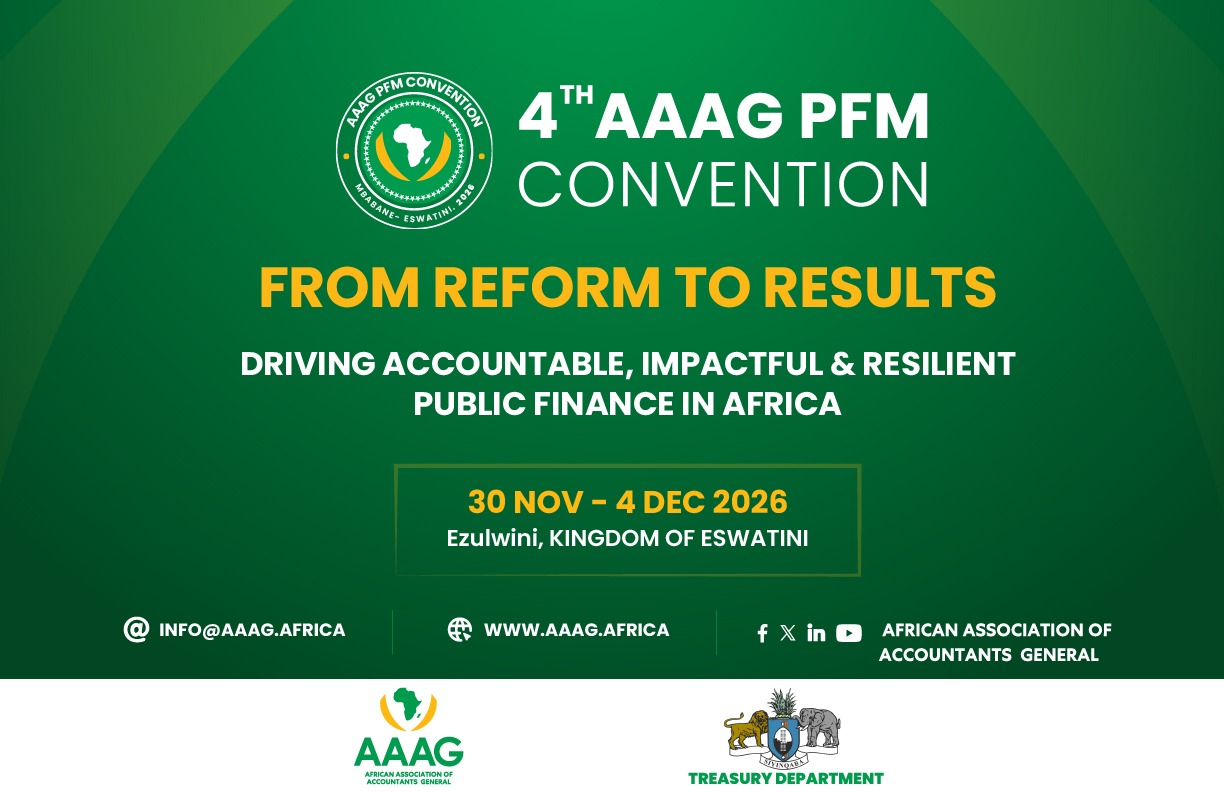
The African Association of Accountants General (AAAG) took centre stage at the African Professionalisation Initiative (API) PFM Visionary Summit in Johannesburg, South Africa, convening continental leaders to shape the future of public financial management under the theme “Accelerating PFM Success with Ethics and Technology.”
The Summit, convened from 23- 27 March 2026 brought together Accountants General, Auditors General, professional accountancy organisations, and development partners in a clear recognition that Africa’s PFM reform agenda has entered a new phase – one defined not by policy design, but by execution, enforcement, and measurable results.
The PFM Challenge
During a high-level panel on collaborative leadership, AAAG Chief Executive Officer, Fredrick Riaga, delivered a sharp and evidence-based intervention: Africa does not lack frameworks – it faces a persistent gap in execution, enforcement, and system integration.
Drawing from across AAAG member countries, he pointed to tangible progress. Countries are strengthening IPSAS implementation, advancing accrual-based reporting, and improving fiscal discipline through digital financial systems and professionalisation partnerships. These efforts are already delivering more credible financial reporting and stronger fiscal outcomes.
However, he underscored that critical challenges remain. In many countries, systems are fragmented, enforcement is uneven, and decision-making processes remain slow – creating a disconnect between strong frameworks and real accountability. His central message was clear: the next frontier of PFM reform is system-level enforcement.
He said: Where enforcement depends on individuals, outcomes remain inconsistent. Where it is embedded in integrated, digital, and transparent systems, accountability becomes sustainable.”
AAAG is driving Systemic Transformation
Through its continental platform, AAAG continues to position itself at the forefront of this shift – advancing integrated PFM ecosystems, strengthening institutional capacity and professionalisation, and promoting digital systems that enable real-time control, transparency, and accountability.
This reflects a broader transition across Africa: from fragmented reforms to coordinated systems, from compliance to impact, and from discretion to system-enabled accountability.
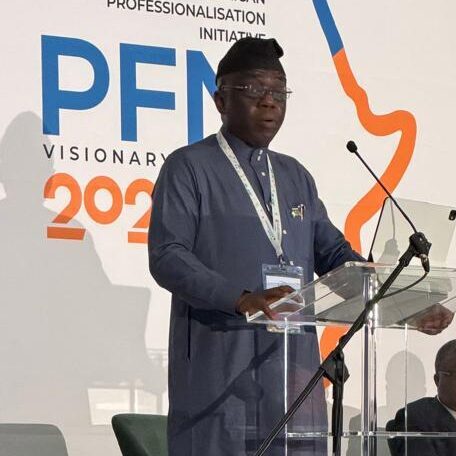
Speaking at the closing the Summit, AAAG Chairperson , Dr. Shamseldeen Babatunde Ogunjimi (PhD), delivered a decisive message: Africa has reached an inflection point. The time for diagnosis has passed and the moment now is for disciplined, measurable execution, he said.
He noted: “Execution is what ensures that audit findings lead to correction rather than remain reports on shelves. Execution is what ensures that standards are enforced consistently through oversight institutions that operate with independence, clarity of purpose, and the authority to act. It is what makes professionalisation real, and cooperation meaningful.”
He emphasised that the next phase of reform must be anchored in results, enforcement, and institutional accountability. Systems must function as integrated ecosystems, technology must serve transparency and performance, and professionalisation must become a non-negotiable foundation of reform.
Crucially, he stressed that reform will only succeed if it is implemented with discipline and sustained through coordinated action across institutions.
“The evidence across Africa is clear: collaboration works. The question before us is whether we are prepared to scale it with intent, structure, and accountability. Collaboration must move beyond dialogue and become the operating logic of reform”, Dr. Babatunde noted.
The Summit reinforced a defining conclusion: Africa’s PFM systems will not be strengthened by additional frameworks, but by how effectively existing frameworks are implemented, enforced, and sustained.
AAAG remains central to this transformation – convening institutions, strengthening collaboration, and advancing reforms that translate into real outcomes for governments and citizens alike.